
— OUR HISTORY —
History of Argentine Chamomile
Chamomile in Argentina: Origins and Unique Growing Conditions
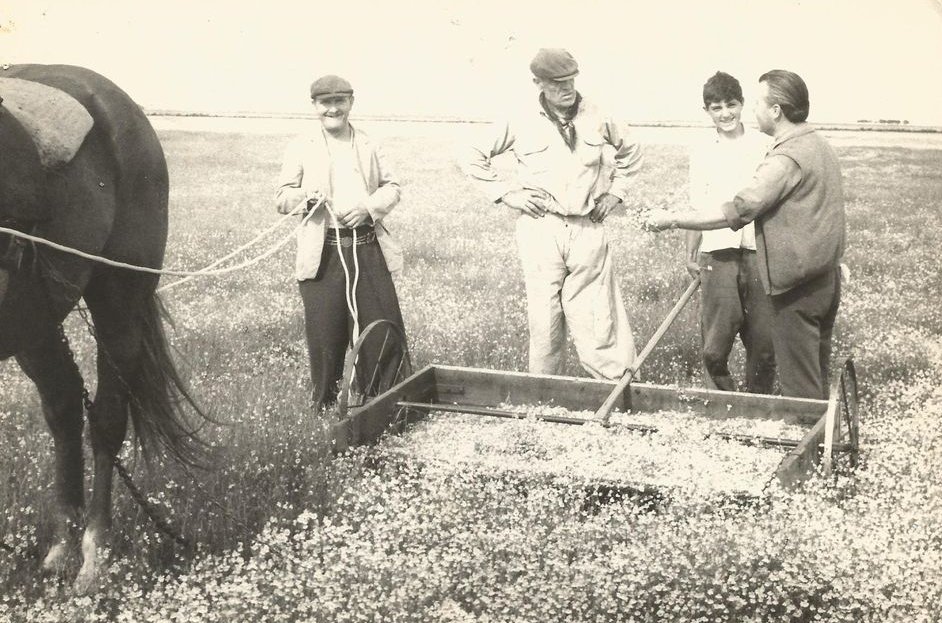
While chamomile is originally from Europe, it has taken root in Argentina, more precisely in the western zone of the humid Pampa.
This aromatic herb has had its ups and downs, and due to repeated floods that affected the area, attempts were made to cultivate it in other regions of Buenos Aires province, but they never achieved the unique characteristics that were accomplished in the Pehuajó and Francisco Madero area.
The term chamomile fundamentally encompasses Matricaria chamomilla L., currently called Matricaria recutita L., Anthemis nobilis (Roman chamomile) and Anthemis cotula (wild chamomile).
Cultivation, Expansion and Industrial Development
In Argentina, the cultivated variety is Matricaria recutita. This was introduced to our country in 1916 by a pharmacist from the Pehuajó area, more precisely Francisco Madero, a town located 30 km from Pehuajó, who distributed the seed among farmers to subsequently buy their flowers. This species found a suitable environment for its development, multiplying naturally and invading fields, road verges and uncultivated places. Large-scale harvesting and processing of flowers began in 1940-1941 during the Second World War. After the war, exports were reduced by 70% and have since suffered highs and lows.
Due to repeated floods affecting the area, attempts were made to establish cultivation in other regions of Buenos Aires province, but they never achieved the unique characteristics accomplished in the Pehuajó and Francisco Madero area.
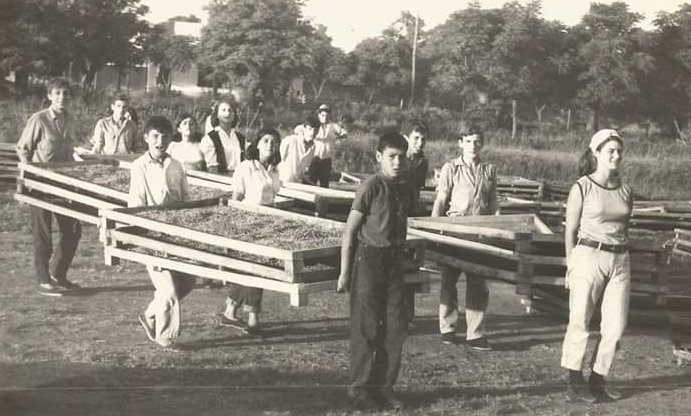
From 1957, production fluctuates between 250 and 500 tonnes annually, and the first medium-sized companies were established which, in their beginnings (given the lack of mechanisation), needed producers to sow, harvest and dehydrate on time.
This process began to change from 1970 when chamomile companies expanded and began working on their own or leased fields, carrying out planting and harvesting with their own equipment and salaried personnel.
In our country, harvesting was originally carried out from spontaneously growing plants, but when large-scale commercialisation began, farmers undertook the first sowing trials with excellent results. This way, greater harvest security was obtained and costs were reduced by having the product near industrialisation centres.
As a consequence of greater international demand and higher quality requirements, the industrialisation process began with the installation of artificial dryers in the area.
Francisco Madero: Identity, Decline and Legacy
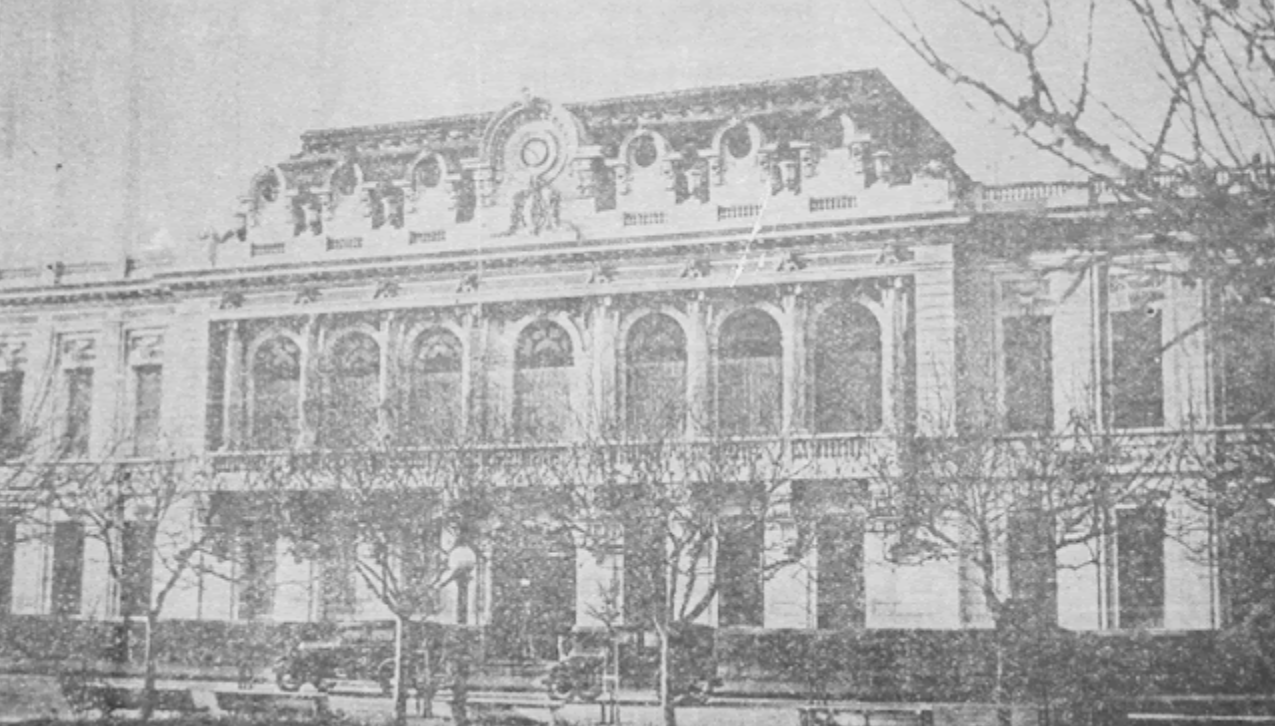
Francisco Madero is the Chamomile Capital of Argentina, and each year the Chamomile Festival is celebrated in this area.
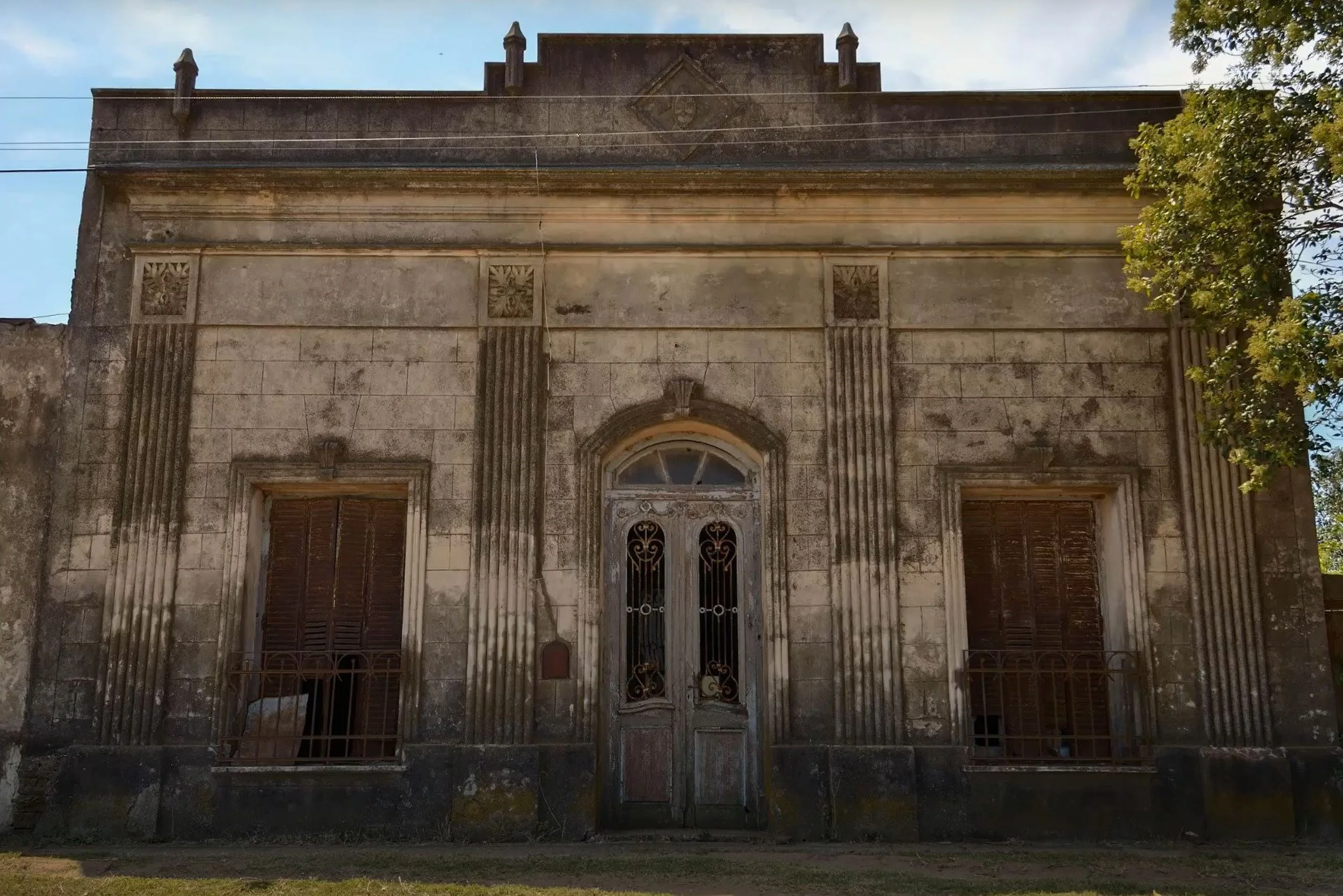
Four decades ago, production in Francisco Madero and Pehuajó was prosperous and these towns grew. But in the mid-1980s, tremendous rains hit the region, flooded the fields, and then Francisco Madero began its path towards desolation.
The scent of chamomile flower lingers in every deteriorated corner of the town. The small, aromatic flowers grow alongside roads, in house gardens, and in the few cultivable hectares remaining in the area.
Of the 3,000 inhabitants there were until 1987, almost half emigrated. Of the three large producing companies, only abandoned warehouses remain.
Water swept away the cultivable area and making it productive again is difficult. The three large companies that provided economic sustenance to Francisco Madero in the early 1990s emigrated to Pergamino or closed.
Pehuajó, being a larger city dependent on livestock and other types of agriculture, did not suffer as much.
Recovery, Flood Control and a Forward Outlook
With the major civil works carried out in the region to prevent flooding, chamomile is beginning to resurge again with small and medium enterprises.
Mendizábal managed to remain, continue providing employment, supporting this area, and gradually perfecting its techniques and products, and today, more than ever, bets on the future.